
 By Zahid
Intro(Internet of Things (IoT)
Have you ever wondered how your phone talks to your smart TV or how a smartwatch tracks your fitness
That’s the magic of the Internet of Things wherein everything gets connected and communicates.
From your smart home to your office IoT technology is reshaping our ways of life working and even thinking.
What is the Internet of Things
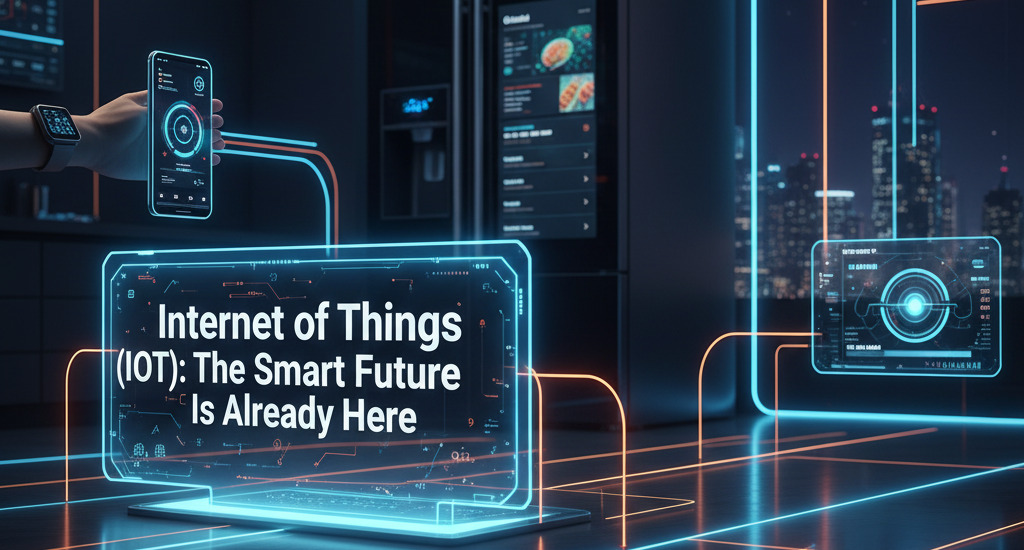
IoT stands for the Internet of Things or basically connecting ordinary devices to the internet to share information.
These are smart devices such as phones lights cars and even refrigerators.
Devices designed to share information across connected networks collect data with the help of IoT sensors.
That simple idea has created endless opportunities for homes businesses and industries all over the world.
How IoT Technology Works
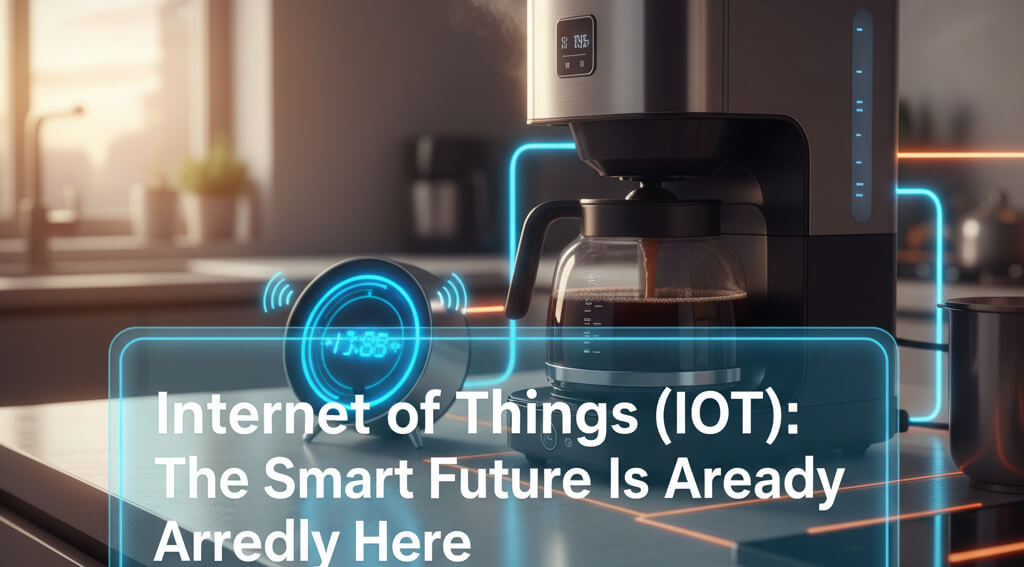
Think of your coffee maker turning on with your alarm. There’s IoT in action.
IoT sensors collect data send it to the cloud and then smart devices act based on that data.
The said system relies on cloud IoT integration that securely stores and processes vast amounts of data.
Edge computing and IoT make it even faster by handling data closer to where it is collected.
IoT Applications Used in Daily Life
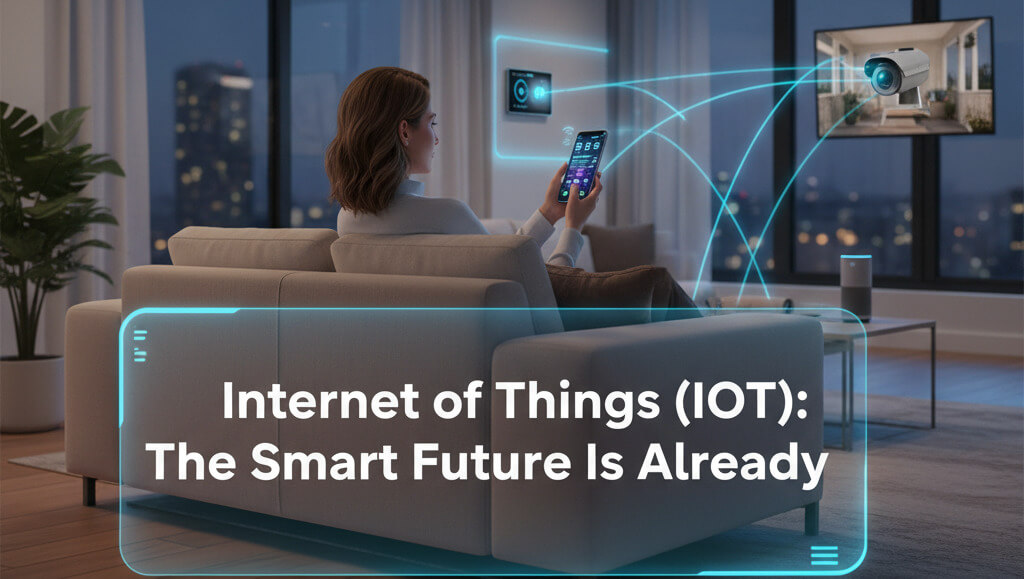
IoT is everywhere in your home and in your city.
Here are some exciting examples of how IoT helps in daily life
Smart home automation One can control lights fans or AC with a phone.
Healthcare Monitor heart rate or sugar level with IoT devices.
Agriculture Farmers utilize IoT sensors for monitoring crops and soil conditions.
Manufacturing Machines share in real time to enhance performance.
IoT and smart cities IoT is used by cities to manage traffic and conserve energy.
Because of these solutions of the Internet of Things life is safer easier and more efficient.
Industrial IoT Powering the Modern World
The IIoT uses connected technology in factories and industries.
It helps monitor performance reducing downtime while improving safety.
In manufacturing for instance IoT uses M2M communications to operate heavy equipment.
Therefore it would also allow companies to track every process from outside saving time and money.
Productivity rises breakdowns diminish and industries become smarter than ever before.
IoT in Healthcare Saving Lives Smartly
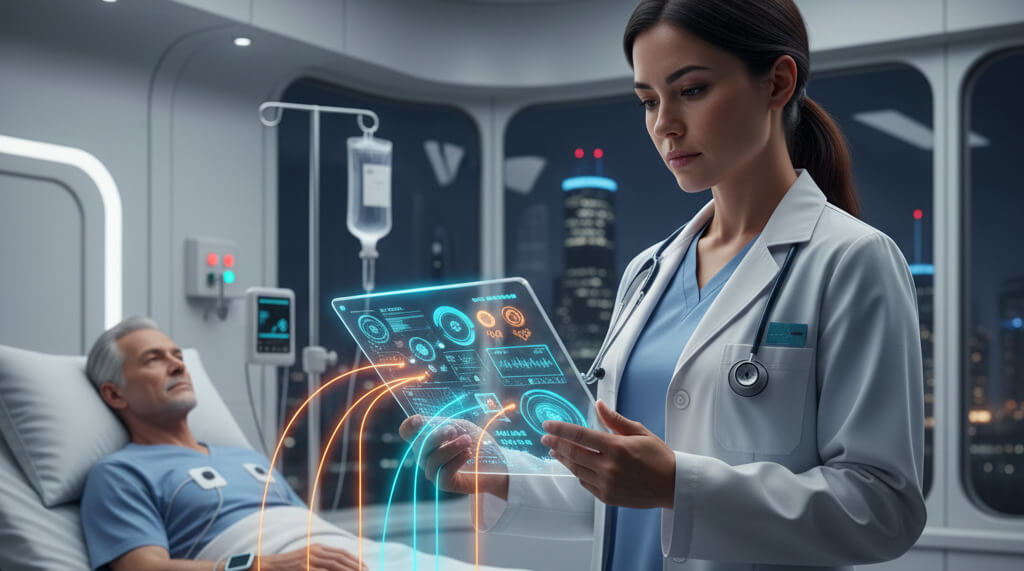
IoT in the healthcare industry is growing fast.
Smartwatches glucose monitors and connected health apps help people stay healthy.
IoT technology is used in hospitals to track patients monitor equipment and predict medical issues.
This realtime connection between doctors and patients improves care like never before.
Due to this healthcare has become more efficient and much easier for everybody.
IoT and Agriculture Smarter Farming
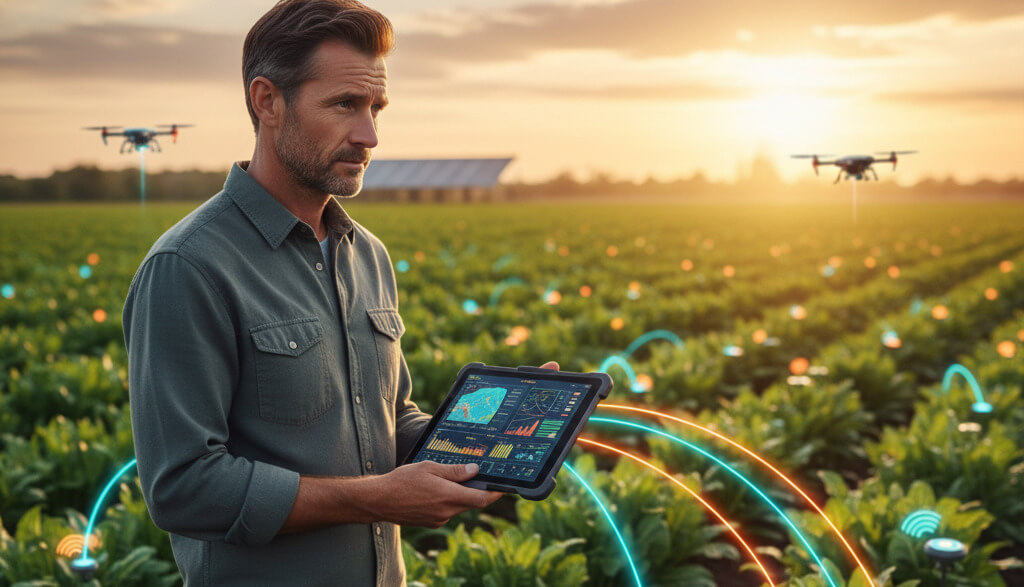
Technology has reached farms too!
IoT in agriculture enables farmers to check soil predict weather and manage irrigation automatically.
This saves water enhances food quality and increases crop yield.
IoT data analytics helps farmers make better decisions and face challenges such as drought or pests with ease.
Security and Privacy in the IoT World
As devices get smarter security becomes more important.
IoT security and privacy protect users against data leakages and other cyber threats.
Companies now use best cloud security methods to keep data safe.
However users should also remain cautious by using strong passwords and secure WiFi.
IoT device management keeps systems safe and reliable because millions of devices connect each day.
The Role of Cloud Computing in IoT
IoT relies on cloud computing for the storage and processing of big data.
That is why it is essential to know how cloud computing works.
Cloud IoT integration allows devices to sync and share information quickly.
Meanwhile the top cloud providers in 2025 include Google Cloud AWS and Microsoft Azure that are making IoT faster and safer.
Cloud computing provides lowcost storage for small businesses.
Moreover the future of cloud technology promises better automation and more security.
IoT 5G and Artificial Intelligence
The Perfect Trio The combination of 5G and IoT connectivity is a game changer. It allows for faster and more fluent communication between millions of devices. Add AI to IoT and you have systems that think and act. For example cars with driving capabilities and voice assistants like Alexa rely on such an advanced combination. Together they create the future of IoTfast smart and limitless.
IoT Software Platforms and Ecosystem
Each and every smart device works on an IoT software platform that connects it to the digital world. These platforms are part of a large IoT ecosystem comprising devices networks and cloud systems. They are used by developers for building smart applications from IoT in manufacturing to IoT in healthcare tools. By doing so these platforms power the smart experiences we use daily.
Future of IoT What’s Coming Next
IoT trends in 2025 include more automation smarter homes and stronger networks. Per experts IoT will become a $1.6 trillion industry by 2025. From opportunities in IoT businesses to smart cities this technology keeps shaping our lives. Imagine cars talking to the traffic lights or fridges ordering food for you welcome to the future. With these innovations IoT continues to lead the digital revolution.
Difference Between Cloud and Traditional Computing
Where traditional computing is concerned everything runs on one system or local server. But cloud computing stores data onlineyou can access it anywhere anytime. The flexibility that this technology involves makes it work. It receives real time data on devices without physical servers making everything quicker and wiser.
Closing Thoughts
The Interconnected World to Come IoT is not a trend it’s the future. It helps integrate smart devices automation and intelligence to make life easy. IoT is reshaping the world from homes and hospitals to industries and cities. Moving forward IoT AI and cloud computing will shape a smarter safer and more connected life. So are you ready to live in a world of connected possibilities